Intentional Materials: How Your Home Affects Your Nervous System
When most people think about interior design, they think about how a space looks, but the homes that truly feel good to live in go far beyond aesthetics.
The materials surrounding us every day quietly influence how we feel, function, focus, rest, and move through our lives. From the texture of natural stone under your feet to the warmth of wood cabinetry or the softness of layered textiles, intentional materials can create a home that feels grounding, calming, and deeply supportive to your daily life.
At Ravenhouse Intuitive Design, we believe thoughtful design should not only elevate your home visually, but also create spaces that feel easier to exist in.
Why Materials Matter More Than You Think
Your nervous system is constantly processing information from your environment. Lighting, color, texture, temperature, acoustics, clutter, and materials all contribute to the overall experience of a space. Even if you can’t immediately identify why a room feels stressful or calming, your body often recognizes it before your mind does.
Spaces filled with harsh lighting, overly bright whites, synthetic finishes, visual clutter, and flat or cold materials can create subtle over stimulation over time. On the other hand, spaces layered with warmth, texture, softness, and natural variation often feel calmer and more regulated.
This is one reason why thoughtfully designed homes tend to feel noticeably different the moment you walk into them. This is why our spaces feel balanced and calm your nervous system, because they were designed intentionally.
The Difference Between Trend-Driven Design and Intentional Design
Trend-driven spaces often prioritize appearance first. Intentional design prioritizes experience. That doesn’t mean a home can’t feel elevated or editorial. In fact, some of the most timeless interiors are rooted in materials that feel authentic, tactile, and connected to the way people actually live.
Rather than chasing trends, intentional interiors focus on:
Natural materials with warmth and depth
Spaces that support daily routines and functionality
Layering textures instead of adding unnecessary clutter
Materials that age beautifully over time
Creating visual calm through cohesion and balance
Designing for longevity rather than quick aesthetic impact
The result is a home that feels grounded, timeless, and deeply personal.
Materials That Help Create a More Grounded Home
While every project is different, there are certain materials we repeatedly gravitate toward because of the way they transform the feeling of a space.
Natural Stone
Natural stone brings depth, movement, and organic variation that manufactured materials often lack. Whether it’s quartzite, marble, or limestone, stone adds a sense of permanence and connection to nature that immediately elevates a room.
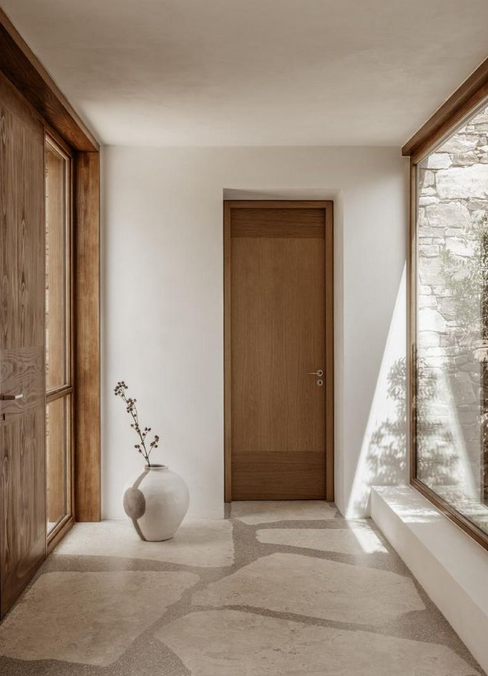
Credit: SB
Real Wood & Warm Finishes
Wood introduces warmth and softness into a home. It balances harder materials like stone and tile while helping spaces feel more inviting and lived-in.
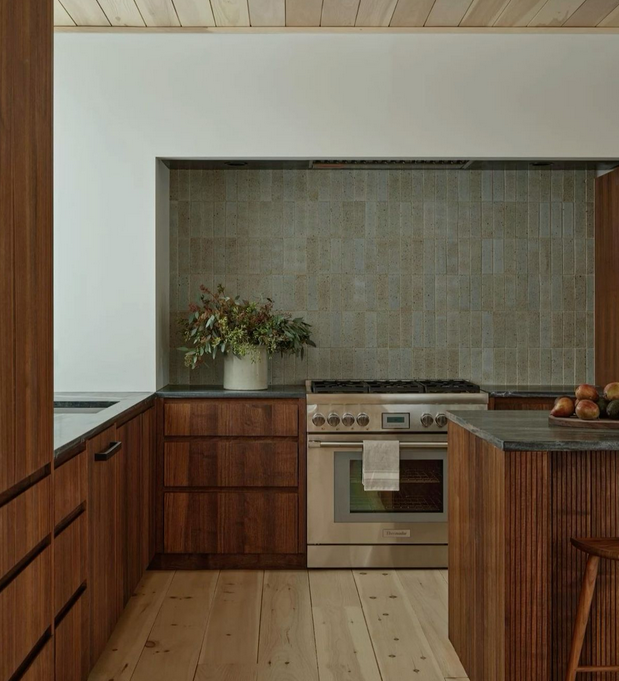
Credit: Branch Builders
Handmade & Textural Tile
Handcrafted tile carries movement, imperfection, and character that creates visual richness without overwhelming a space. These subtle variations make rooms feel layered and soulful rather than flat or overly polished.
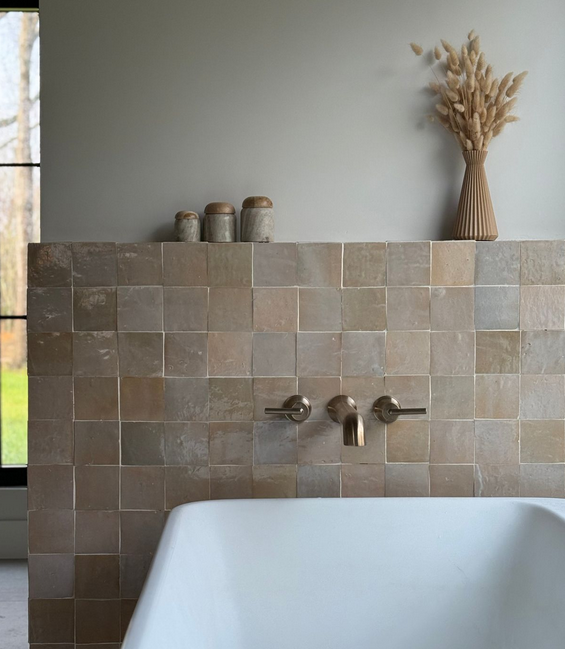
Credit: Riad Tile
Layered Textiles
Linen drapery, woven rugs, boucle upholstery, and natural fabrics soften acoustics and visually warm up a room. Texture plays a huge role in creating comfort and reducing the sterile feeling many newer homes can have.

Credit: Etsy
Warm, Intentional Lighting
Lighting dramatically affects mood and regulation. Soft, layered lighting creates a calmer atmosphere than harsh overhead lighting alone. One of the simplest ways to shift the feeling of your home is through warmer bulbs and multiple light sources throughout a room. One of our favorite ways to use lighting before we even get to the electrical is to incorporate as much natural light as possible.
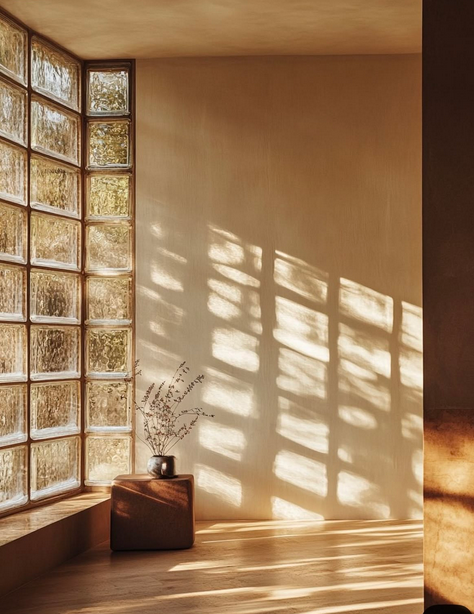
Credit: Pinterest
How to Create a More Nervous-System-Friendly Home
You don’t have to fully renovate your house to begin creating a calmer environment.
A few intentional changes can make a meaningful impact:
1. Reduce Visual Clutter
A visually overstimulating space can contribute to mental fatigue. Focus on quality over quantity and create breathing room throughout your home.
2. Prioritize Texture Over Excess Decor
Instead of filling a room with more accessories, layer meaningful textures through textiles, wood tones, stone, and natural materials.
3. Use Softer Lighting
Swap cool white bulbs for warmer lighting and incorporate lamps, sconces, and layered lighting throughout the home.
4. Incorporate Natural Elements
Wood, stone, linen, greenery, and handcrafted materials create connection and warmth in a way synthetic finishes often cannot.
5. Design Around Daily Life
A beautiful home should also support how you live. Thoughtful layouts, functional storage, calming bedrooms, and well-designed gathering spaces all contribute to how your home feels on a daily basis.
A Home Should Support You
The goal of intentional design is not perfection, in fact the opposite. It’s creating spaces that help you feel more grounded, clear, calm, and connected inside your everyday life. Surrounding yourself with the objects, art, books, etc. that light you up.
When materials are selected thoughtfully and spaces are designed with both beauty and function in mind, a home becomes more than something you look at. It becomes something you experience. And often, that feeling is the difference people notice most.
Looking for a more intentional approach to your home renovation or furnishing project? Ravenhouse Intuitive Design creates grounded, elevated interiors throughout Phoenix, Scottsdale, Paradise Valley, and beyond with a focus on thoughtful materials, timeless design, and spaces that support daily life.